A cracked windshield has a way of turning a normal day into a logistical puzzle. You notice the star break, wince at the spreading line, and start wondering what it will cost, whether your insurance will help, and how soon you can get it fixed. I’ve spent years on the shop side of Auto Glass Replacement, talking to insurers and suppliers, looking up vehicle specs, and explaining why one Windshield Quote can come in at 280 dollars while another for the same make and year hits 1,100. The good news is that you can get an accurate price quickly if you know what details matter, and how to communicate them in a single, organized pass.
This guide walks through the real factors that swing a Windshield Replacement price, how to decode your car’s features without taking it apart, and the small steps that make a big difference when you request an Auto Glass Quote online or over the phone. Along the way, I’ll share the pitfalls I’ve seen customers hit, and the shortcuts we use in the trade to nail the estimate on the first try.
What “accurate” really means with windshield pricing
Glass shops work from a matrix of part numbers, labor times, adhesives, calibration fees, and mobile service logistics. You want a figure that is specific to your exact windshield and your situation, not a teaser rate that balloons on the day of service. An accurate quote should identify the exact part, confirm whether ADAS calibration is needed, include moldings and clips if applicable, state whether mobile service is included, and reflect taxes and disposal fees for your location. When you provide the right inputs, most reputable shops can return that level of clarity within minutes.
The flipside is that small variances can change the part. A single feature like humidity sensor compatibility can swap a 260 dollar sheet of glass for a 540 dollar one. That is why many “starting from” prices are useless. Aim for specificity.
The three big drivers of cost
From thousands of jobs, three factors explain most of the spread between a bare-bones and a premium Windshield Replacement.
Vehicle complexity. The same model can have two, six, or more windshield variants. Upmarket trims add things like rain sensors, acoustic interlayers, heads-up display (HUD) reflectors, forward-facing cameras, and infrared coatings. Each attribute has a matching part number. Get one wrong, and the price, fit, or safety features can suffer.
Calibration requirements. If your vehicle has an ADAS camera behind the glass for lane keep, collision avoidance, or traffic sign recognition, the camera typically needs a static, dynamic, or hybrid calibration after installation. Expect 150 to 400 dollars for calibration in many markets, sometimes more for dealership-only procedures. Some domestic models allow dynamic calibration on the road, while many European brands require static target boards and level floors. Skipping this step can disable safety features or throw dash lights.
Service logistics and materials. Mobile service adds route time and fuel. Premium urethanes that meet OEM specs cost more but cure faster, which matters if you need same-day drive-away times. Heated garages in winter, additional moldings, and corrosion remediation around the pinch weld can also nudge the final figure.
How to gather the details shops need
When folks call and say “I have a 2018 SUV, how much for a windshield,” the conversation usually turns into a scavenger hunt. Spend three minutes collecting the key identifiers, and you’ll save 20 minutes of back-and-forth and avoid a surprise on the day of install.
Start with the VIN. The 17-character Vehicle Identification Number lets shops check OEM build data and narrow part options. It appears on your insurance card, registration, and on a small plate at the base of the windshield on the driver side. If you only have the last eight, that is still useful.
Check for features at the glass. Look up from the driver seat. Do you see a camera or sensor housing at the top center of the windshield, behind the rearview mirror? That’s a sign of ADAS. Is there a dark dotted area with a cutout for a rain sensor, or a squarish gel pad? Do you have heated wiper park areas, often visible as faint grid lines where the blades rest? Is there a faint rectangle on the driver side for HUD reflection? You don’t have to be perfect, just descriptive.
Confirm tint band and acoustic layer. Many windshields include a blue or green shade band at the top. Some trims have acoustic interlayers that reduce cabin noise. Acoustic glass often has a small “Acoustic” or “SoundScreen” logo in the corner. Sharing that detail helps shops avoid downgrading your cabin experience.
Note additional hardware near the glass. Some vehicles integrate antennas, humidity sensors, or solar coatings. If you see a small dot matrix with an embedded sensor near the mirror, snap a photo. Photos beat guesses.
Provide your location and preferences. Do you want mobile service at your driveway or workplace, or can you bring the car in? Are you flexible on date and time? Shops can lower your quote if they can slot your job near other routes, or they might waive mobile fees if you pick an in-shop appointment.
Anecdotally, I once quoted two identical-looking Kia SUVs, both 2021, both with cameras. One had a HUD, the other did not. The HUD sheet was pricier and required a part with a specific reflective layer. The owner without HUD would have been furious if we installed a cheaper part that accidentally degraded a feature she used daily. The VIN and a quick question saved both the headache and the second appointment.
OEM, OEE, aftermarket: what the labels actually mean
This is where pricing assumptions go off the rails. Customers hear OEM and assume the rest is junk, or they hear aftermarket and worry about safety. The reality is more nuanced, and it matters to your Windshield Quote.
OEM stands for the vehicle manufacturer’s branded glass. It is built to the automaker’s specification and stamped with the automaker’s logo. It often costs the most, sometimes two or three times the base option, and insurers may only approve OEM on newer vehicles or when ADAS calibration or HUD performance requires it.
OEE stands for original equipment equivalent, built by the same suppliers who make OEM glass but without the automaker logo. Pilkington, Saint-Gobain Sekurit, AGC, Fuyao, and others supply both OEM and OEE glass. Fit and optical quality are typically comparable, and many shops prefer OEE for value. When I install on daily drivers without HUD, OEE is often my first recommendation.
Aftermarket varies. Some brands hit OEM-equivalent standards, others cut corners on acoustic layers, solar coatings, or the exact curvature that affects camera calibration. On a low-risk vehicle without ADAS, a reputable aftermarket windshield can be a good budget choice. On camera-heavy vehicles, I lean OEE or OEM to reduce recalibration headaches.
If a shop offers a suspiciously low Auto Glass Quote, ask which brand they are quoting. A 190 dollar glass might be fine for a 15-year-old commuter, but it might also cause camera errors on a 2022 Subaru. Matching the brand to the car keeps you from paying twice, once for the install and again for the fix.
Insurance: how coverage changes the math
Your auto policy plays a major role in whether you pay a small deductible or the full ticket. The details vary widely by state and carrier, but a few patterns hold.
Comprehensive coverage often includes glass. If you have a comprehensive policy, a cracked windshield from a rock strike is typically covered, subject to your deductible. If your deductible is 500, paying out-of-pocket for a 350 to 450 OEE windshield may make more sense than filing. If your state offers zero-deductible glass coverage, the insurer pays for most or all of it.
Calibration reimbursement needs attention. Some insurers reimburse calibration only if performed at a certified shop with a separate line item and proper documentation. Others require dealership calibration for certain brands. If you plan to claim, ask the shop whether they can bill calibration directly and whether they use OEM procedures.
Claim or cash? Filing a claim can save you hundreds today but may affect your claims history. For many customers, paying cash for a mid-range Auto Glass Replacement avoids the administrative overhead and potential premium impact. Carriers handle glass claims differently than collision claims, but it is worth asking your agent.
Shops can usually help you navigate this quickly. If you provide your policy number and carrier, most glass shops can connect to the claim portal, verify coverage, and return a concrete out-of-pocket figure in one call.
Timing: when speed saves money and when waiting helps
A crack that reaches a windshield edge is more likely to spread, which can make a repair impossible and force full replacement. Early action matters particularly in summer heat or freezing nights, when thermal cycling turns hairline cracks into road-trip companions. If the crack is within the repairable zone, a Goose Creek auto glass repair resin repair might cost 80 to 140 dollars and preserve the factory seal, a big win if you dislike any invasive work.
That said, waiting a day can sometimes save money. Shops get daily parts deliveries and run mobile routes by region. If you’re flexible by a day or two, the scheduler can align your job with a route and reduce or waive the mobile fee. Morning slots often cure faster in moderate weather, while late afternoon installs in winter may require overnight garage storage to meet safe drive-away times.
The five-minute information sprint
You can reduce a half-hour phone shuffle to five minutes by organizing your details before you request a Windshield Quote. Use the following checklist and paste it into an email or online form.
- VIN, year, make, model, and trim level Photos: full windshield from outside, sensor area behind mirror, any stickers or logos at the glass corner Features you know you have: rain sensor, lane camera, HUD, acoustic glass, heated wiper park Your location, preference for mobile or in-shop, and a couple of time windows Insurance or cash pay, plus any deductible details if you intend to claim
Once you send that package, most shops can identify the exact part number, confirm calibration, and present a written quote that reflects everything from glass brand to adhesive cure time. The difference between that and a vague “starts at” number is the difference between a smooth install and a reschedule.
How shops actually build your quote
Behind the scenes, the estimator plugs your VIN into a parts interchange system, such as NAGS or an OEM catalog, to match part numbers with your build sheet. They cross-check features from your photos, then look at inventory availability. If the glass sits in a local warehouse, your schedule could be next day. If not, they estimate arrival based on the supplier’s truck schedule, which often runs two or three times a week.
Labor times are fairly standardized. A straightforward windshield on a common sedan might book at 1.5 to 2 hours of labor, including prep and cleanup. Add time if moldings must be replaced, if the previous installer used excessive urethane, or if there is rust at the pinch weld. Calibration adds anywhere from 20 minutes to a couple of hours depending on the system. That is why a shop may slot calibration after lunch when the lighting in the calibration bay is consistent and the floor is free.
Shops also factor safe drive-away times. Urethane cures based on temperature, humidity, and product choice. A premium fast-cure urethane may set safely in one hour at 70 degrees and 50 percent humidity. In colder conditions, expect longer. If your schedule is tight, ask the estimator whether they can use a faster-cure adhesive and whether it adds cost.
Realistic price ranges you can expect
Pricing moves with region, vehicle type, and brand choices, so treat these as ballpark ranges for a typical U.S. market.
Economy commuter cars without ADAS. 250 to 450 for OEE glass installed in-shop, 300 to 550 mobile. Add 20 to 60 for new moldings if needed.
Mid-size sedans and crossovers with rain sensors or acoustic glass. 350 to 650 for OEE. OEM may push it to 600 to 900. Calibration, if required, adds 150 to 300.
SUVs and trucks with ADAS cameras and heated wiper park. 450 to 800 for OEE, 700 to 1,200 for OEM. Calibration often 200 to 400.
Premium brands with HUD or infrared coatings. 700 to 1,500 depending on availability and OEM mandate. Dealer-only calibration can add time and cost.
Glass prices have risen over the past few years due to materials and logistics, and ADAS continues to be the swing factor. When you see a surprisingly low Auto Glass Quote for a feature-heavy vehicle, dig into the details, especially the glass brand and calibration plan.
How to compare quotes without getting lost
Not all quotes include the same items. One might exclude moldings, another might bake in calibration. Line-by-line comparison is the only way to avoid apples-to-oranges confusion. Ask each shop to state the glass brand and part number, whether it includes new moldings, whether calibration is required and included, the warranty terms, and safe drive-away time based on their adhesive choice.
I prefer shops that deliver a single out-the-door number with a few notes. If the estimate reads like a legal document, it may hide surcharges. A clean quote with a short scope description is a sign that the shop knows its process. If the shop hedges on features or tells you “we’ll figure it out when we get there,” you may face a re-quote on installation day.
A few mistakes that cause re-quotes, and how to avoid them
Assuming trims share glass. Two 2020 SUVs can diverge because one has a panoramic camera package and the other does not. VINs help, but photos of the sensor cluster behind the mirror are the tie-breaker.
Ignoring aftermarket tint or windshield films. If you have a UV or IR film applied, tell the shop. Removing films or working around them can change labor time, and some films interfere with camera views. The shop can plan accordingly.
Missing rust under old moldings. Rust at the pinch weld compromises adhesion. A reputable installer will not just lay urethane over corrosion. They will stop, clean, prime, and likely reschedule if severe. If you suspect rust, mention it upfront so the shop builds time in the schedule.
Expecting instant calibration in bad weather. Dynamic calibrations rely on road conditions and visible lane markings. Heavy rain or snow can delay the process. Static calibrations require level floors and controlled lighting. The shop may plan calibration for a different day or location.
Dropping off with a low fuel tank. Some dynamic calibrations require highway speeds for a period. If your tank is near empty, the tech will cut it short. It sounds trivial, but I’ve seen this delay a pickup by a half day.
What a strong shop experience looks like
When the process goes smoothly, it feels uneventful. The scheduler confirms your details, you receive a written Windshield Quote breaking down glass brand, labor, calibration, and tax. The tech arrives or you pull into a clean bay, the old glass comes out with minimal trim damage, the pinch weld is cleaned and primed, the new glass is set with calibrated equipment, and the camera gets recalibrated with either a drive cycle or a target board routine. You get a simple warranty statement and care instructions, like avoiding car washes for 24 to 48 hours and not slamming doors for the first day to keep pressure stable.
On a Tuesday in May, I watched a colleague handle a Ford crossover with a lane camera and acoustic glass. From arrival to keys back in hand, it took two hours. The estimate matched the invoice. The customer left with a silent cabin and a clean dash, which is what you want. The only difference between that and a four-hour ordeal is the work put into confirming the part in advance.
A quick word on safety and adhesives
People rarely ask about adhesives, but they matter. The windshield is a structural component in many vehicles, supporting airbag deployment and roof integrity during a rollover. Installers should use a high-modulus, non-conductive urethane that meets FMVSS crash standards, and apply primers as specified by the manufacturer. Cheap or expired urethane can lengthen curing times and compromise adhesion. If you need to drive your kids to school an hour after install, tell the shop. They can select the right urethane and schedule accordingly.
Calibrations: static, dynamic, and why accuracy matters
Advanced driver assistance systems rely on the exact optical path the engineer used when designing the camera’s view through the glass. A small deviation caused by glass curvature, bracket angle, or mounting position can offset the camera’s perception of the lane. Calibrations realign the camera’s software to the physical world.
Static calibration uses targets on stands placed at precise distances and heights in front of the vehicle. It requires a level floor, controlled lighting, and measurement down to millimeters. This is common on European and Japanese brands.
Dynamic calibration uses a scan tool and specific driving procedures at set speeds on well-marked roads. It may be quicker but depends on traffic and weather.
Hybrid approaches combine both. A poor calibration may not trip a warning immediately but can lead to lane keep tugging when it should not, or a camera that misreads gentle curves. Quality shops document calibration with before-and-after reports and save them to your work order. If you ever sell the vehicle, that paperwork shows the work was done correctly.
Mobile versus in-shop service
Mobile service is convenient, and for many vehicles it works perfectly. The tech brings a foldable rack, adhesives in temperature-controlled cases, and covers your dash. The environment matters, though. High winds, extreme cold, or dusty job sites can push a careful shop to recommend in-shop service instead. If you have ADAS, ask whether mobile calibration is realistic. Some shops bring portable target frames, while others prefer their calibration bay. A split plan works too, installing at your home and finishing calibration the next day in-shop.
If your only window is during work hours, ask if the shop can do a key exchange with your building office. Many customers leave the car in a garage and return to a finished windshield. Clear instructions and a reachable phone number make that possible.
The small prep that pays off on install day
Tidy up the dashboard and floor. Techs protect your interior, but a clear work area reduces the chance of scuffs. Remove toll tags and dash cams before they install. If you have a camera mounted to the glass, discuss reattachment points, since new glass may change adhesion.
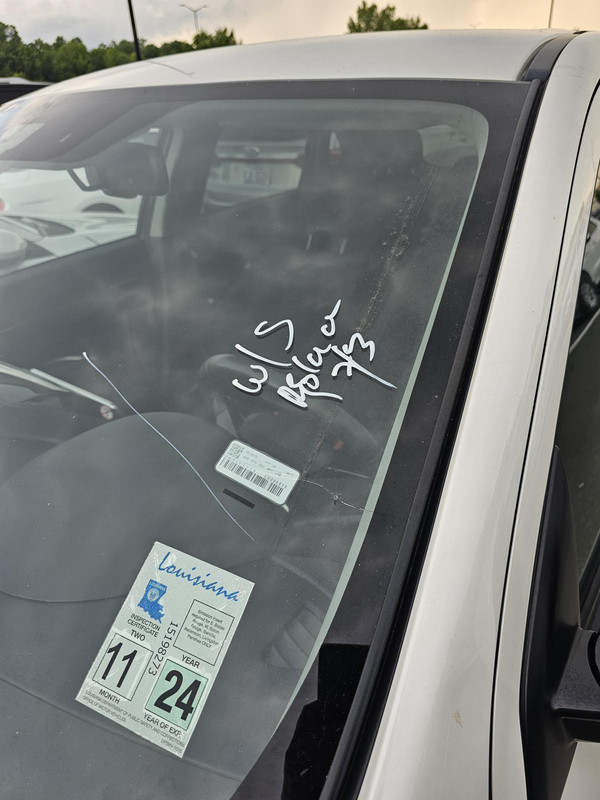
If legal in your state, move inspection or registration stickers. Some shops provide replacement stickers or templates. Taking a photo of sticker placement beforehand helps the tech align them cleanly.
Check your wiper condition. New glass deserves fresh blades. If your blades are streaking or chattering, ask the shop to include replacements. It is a small add-on that preserves visibility and prevents micro-scratches on day one.
How to request and lock an Auto Glass Quote in minutes
You can move from discovery to a locked quote quickly by taking a few deliberate steps.
- Send the VIN, photos, feature notes, and your scheduling preferences to two or three reputable shops at once. Ask each for the glass brand, part number, whether calibration is required and included, and the total out-the-door price with tax. State your pay method upfront: cash or insurance claim, and your deductible. Pick the shop that combines clarity, availability, and the right glass brand for your vehicle’s needs. Confirm in writing, including date, time, location, and any mobile fees, and ask for their safe drive-away time and warranty terms.
This approach prevents the drip-drip of partial information. You get definitive numbers to compare and can schedule confidently without endless callbacks.
Red flags when collecting quotes
Two phrases make me cautious. “We can’t tell until we get there,” and “there are lots of variations, so we’ll bring what we think.” The first often precedes a reschedule, the second can lead to a forced upsell if the wrong glass arrives. Another red flag is a shop that refuses to discuss calibration, or claims your camera “usually doesn’t need it.” If your vehicle manufacturer specifies calibration, that is the standard.
Beware of ultra-low prices that require full prepayment without a written scope. A fair deposit policy exists, especially for special-order OEM glass, but it should come with a part number and a cancellation policy spelled out.
When repair beats replacement
Not every chip needs a Windshield Replacement. If the damage is smaller than a quarter, not in the driver’s primary viewing area, and not at the edge, a resin repair is often the best first move. Many insurers waive the deductible for repairs. A good repair stops the spread, reduces the blemish, and preserves the factory seal. I’ve seen repairs last the life of the car. If you’re unsure, send photos. A shop that pushes replacement on every small chip isn’t doing you a favor.
The value of a precise Windshield Quote
The aim is simple: no surprises. By identifying your exact glass, confirming calibration, and aligning on logistics, you avoid the two biggest aggravations customers face: rescheduling because the wrong part arrived, and paying more than quoted because a missing feature got discovered at the curb. With a five-minute info sprint and a few pointed questions, you can secure a reliable Auto Glass Quote and have the job wrapped the same week.
A windshield does more than keep bugs out. It supports airbags, blocks noise, manages heat load, and gives your cameras a clean window on the road. Treating it like the safety component it is, and choosing a shop that does the same, pays off in quiet commutes and stress-free miles.